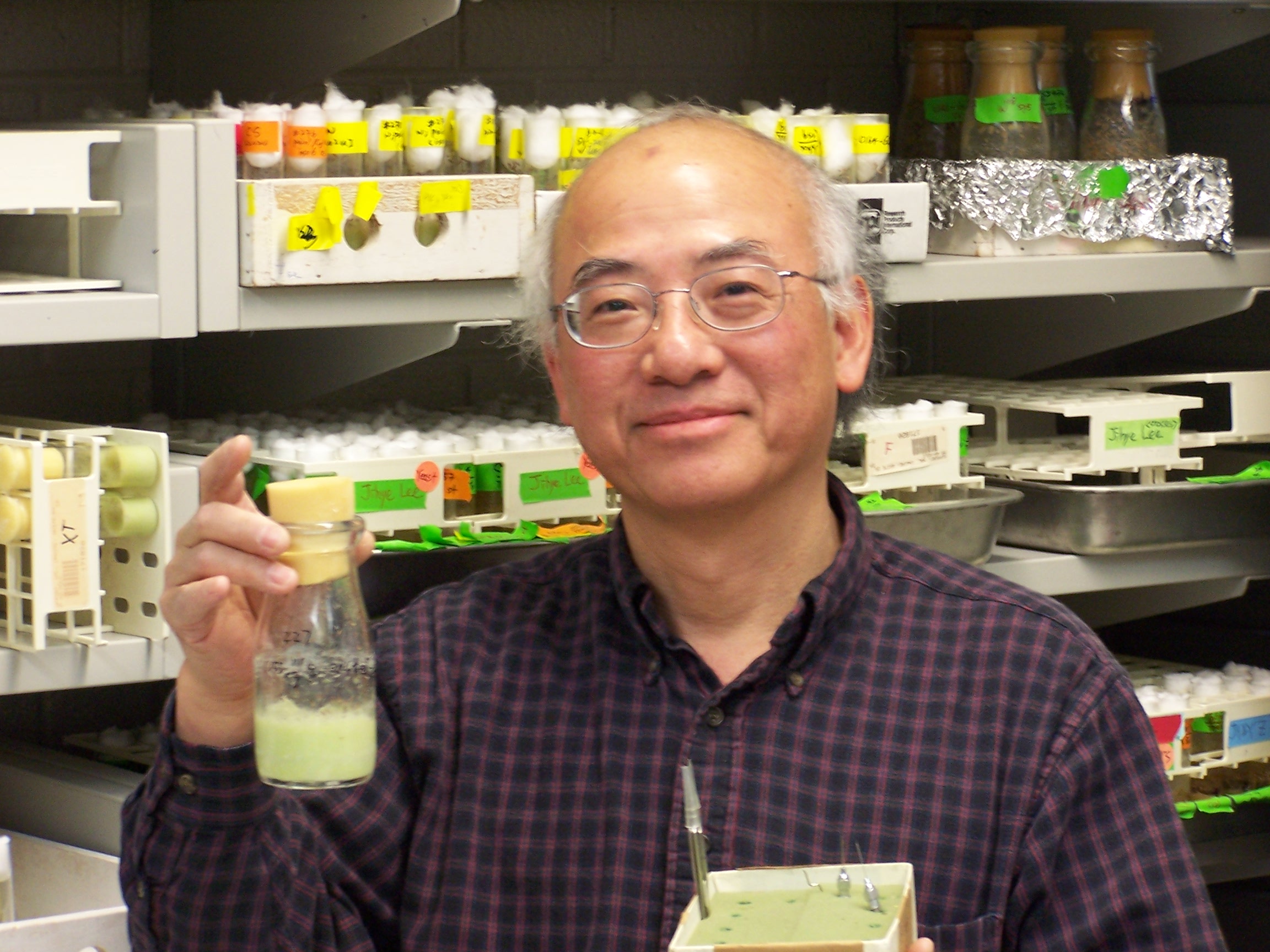
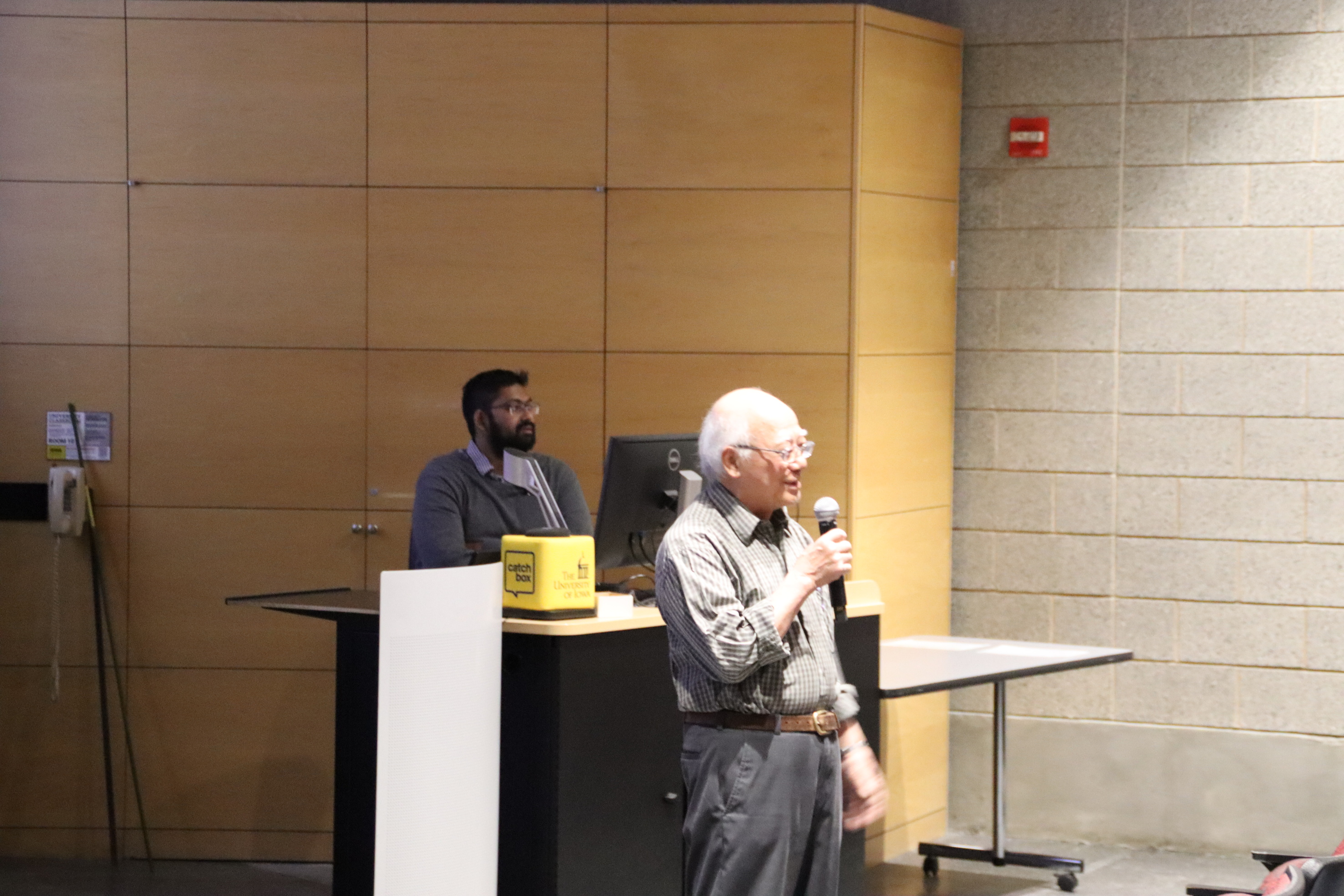
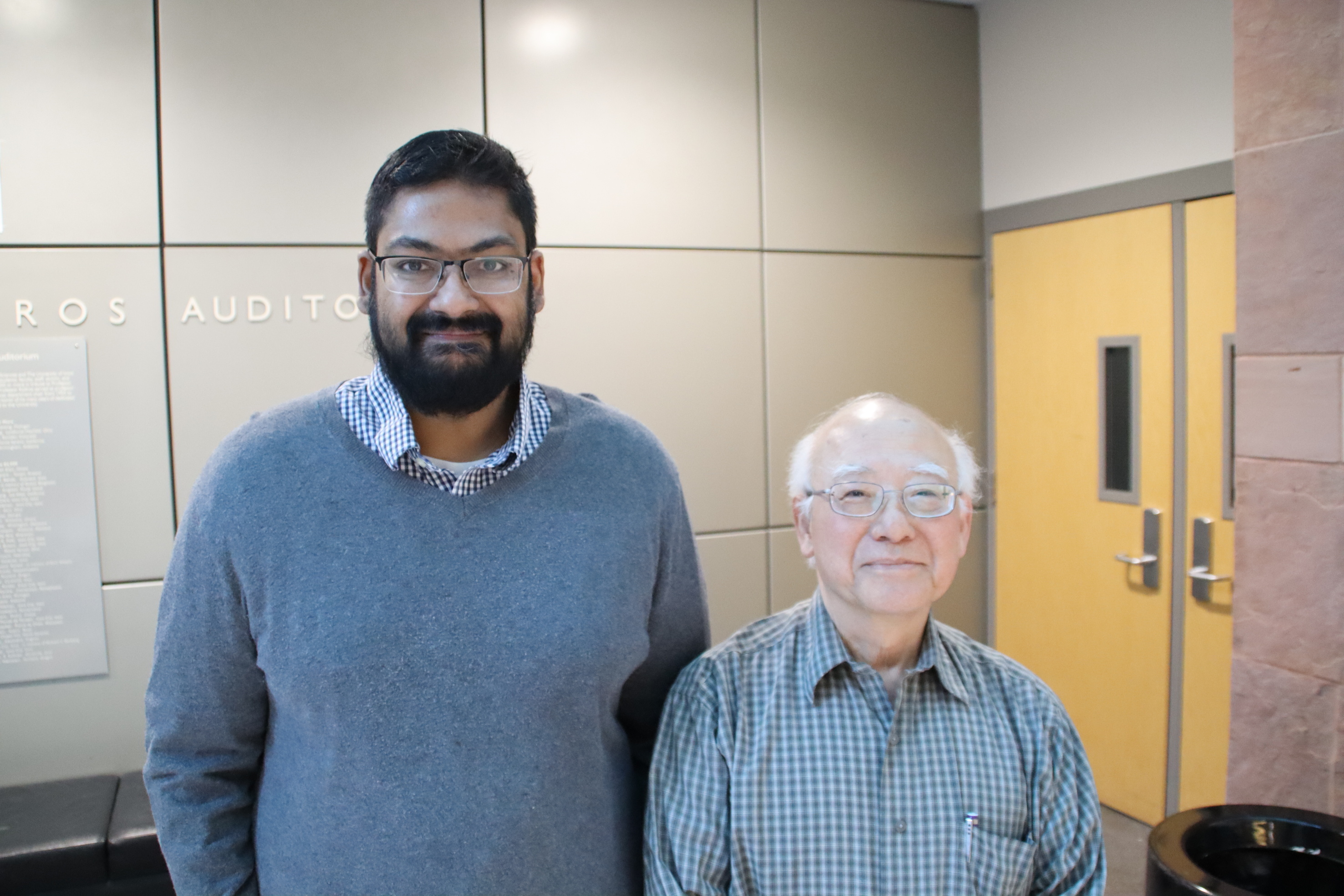
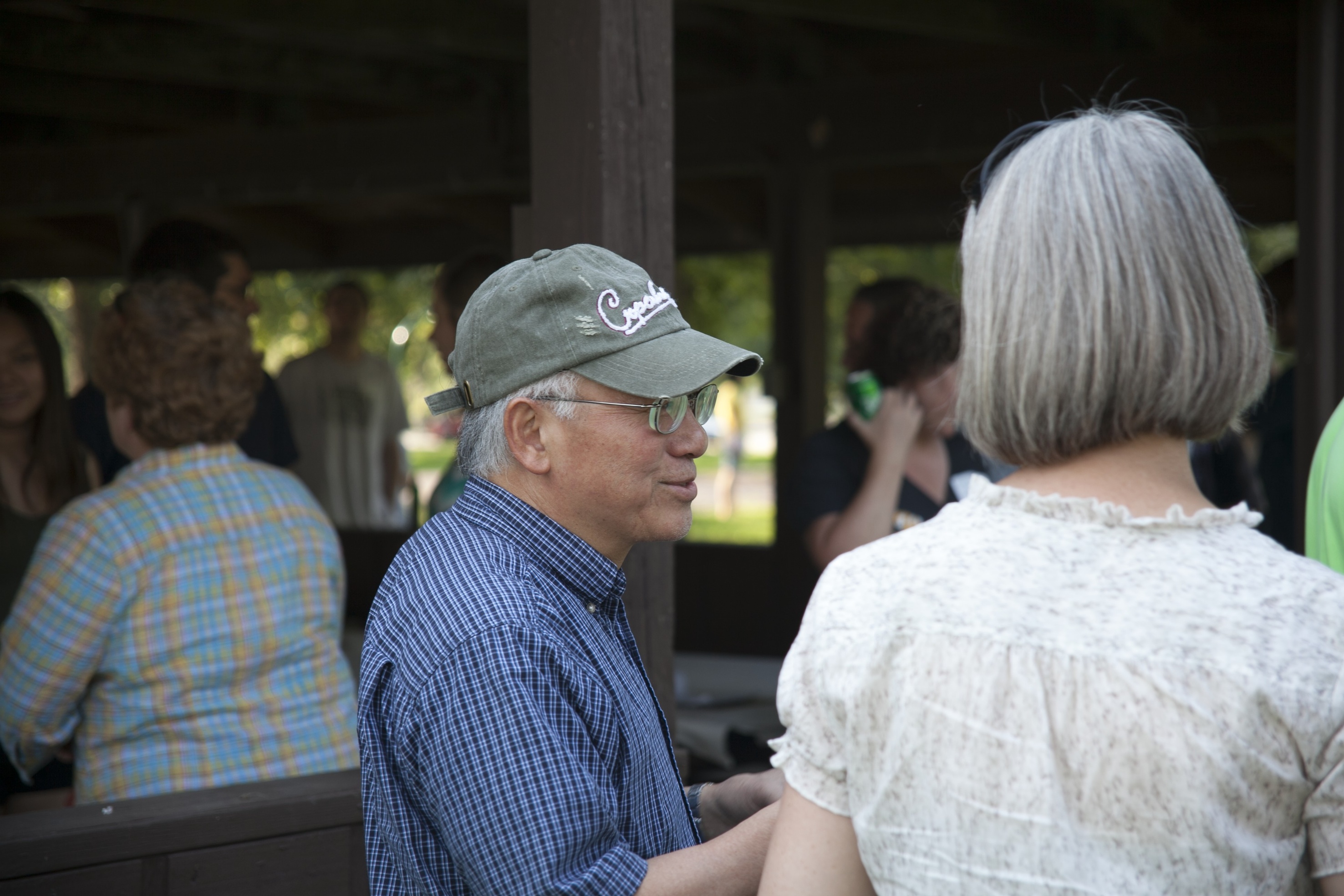
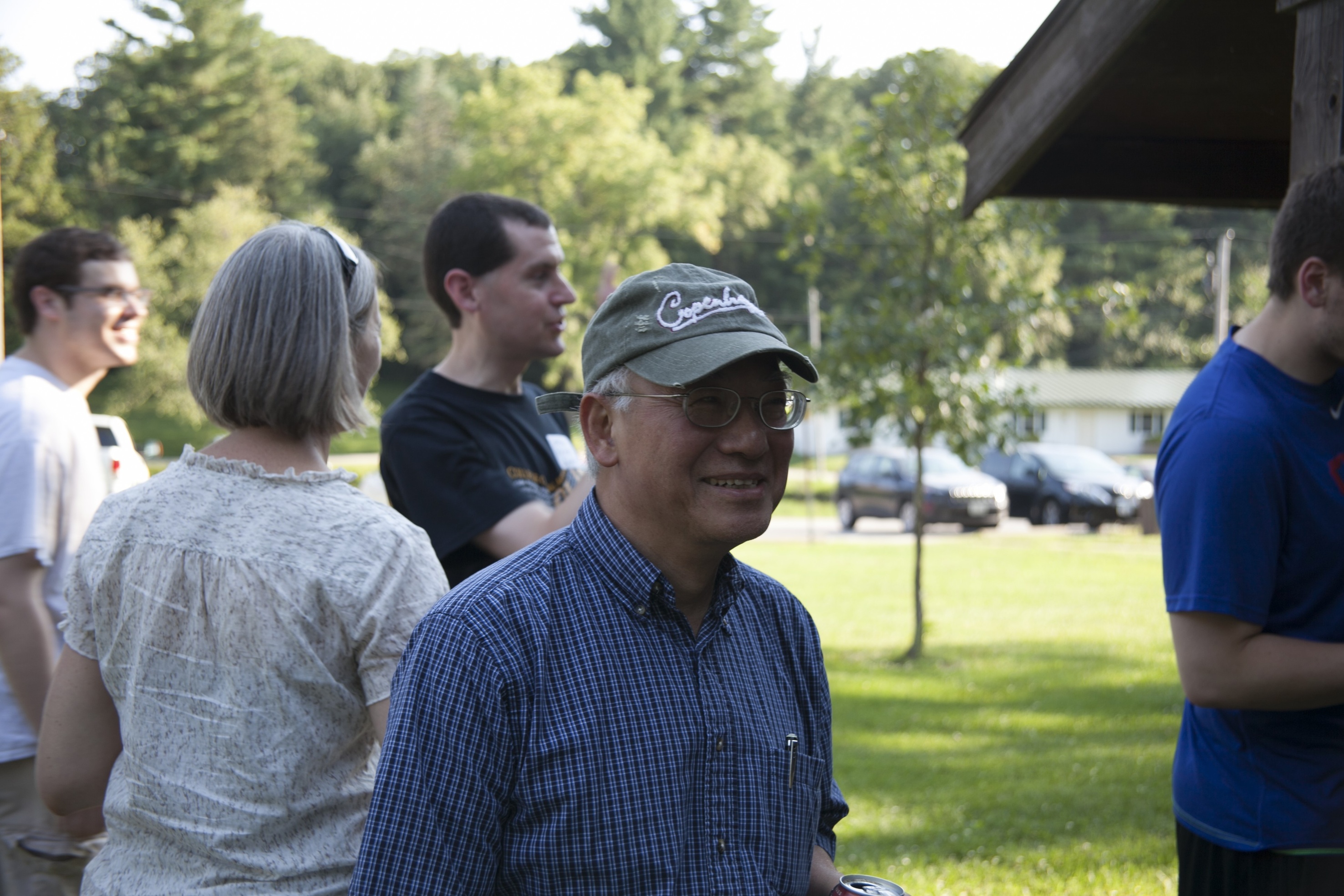
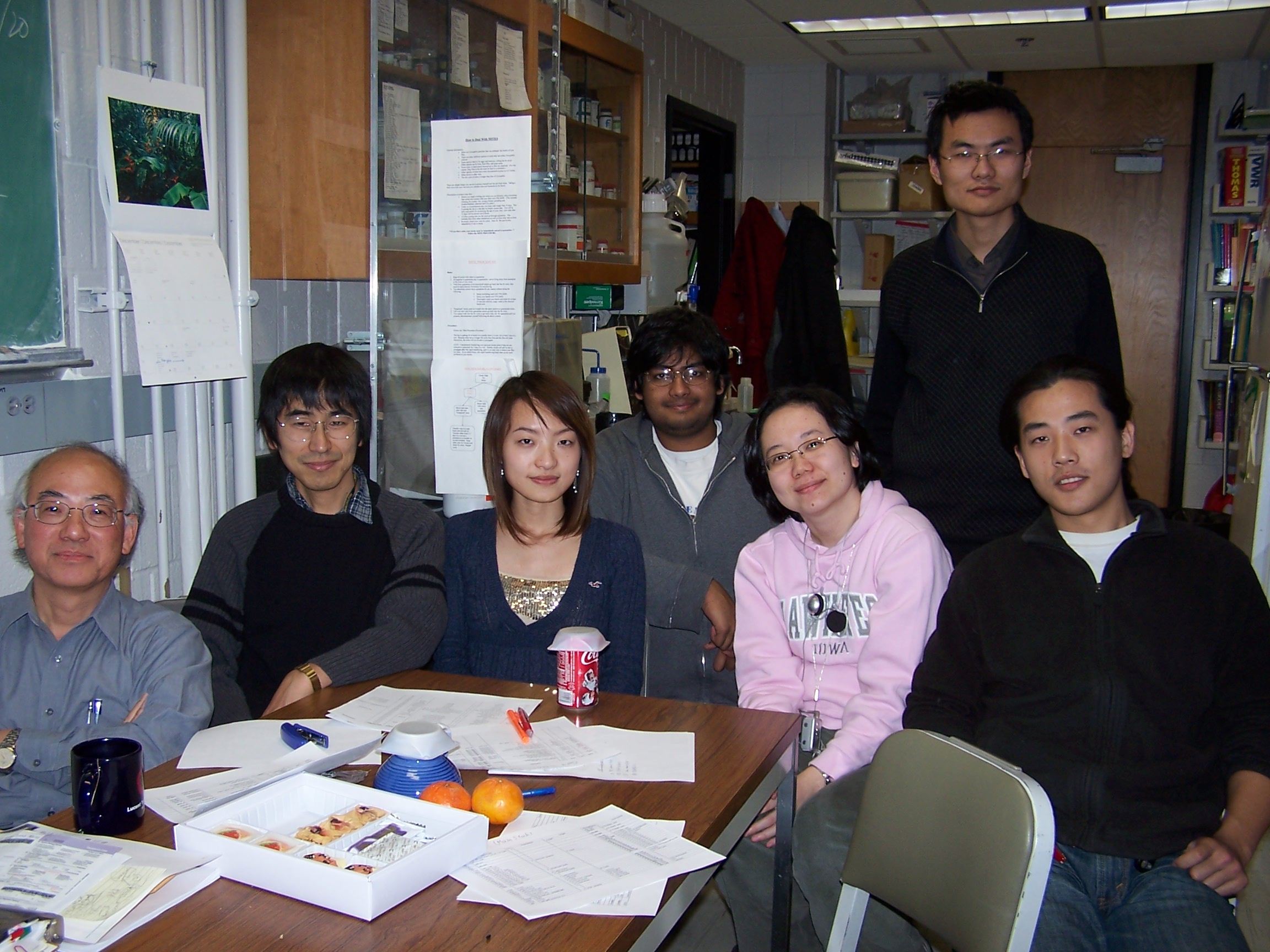
The Department of Biology held their Awards Ceremony on Thursday, May 7, 2026. Two faculty and two staff received Career Achievement Awards for their dedication and service to the department. Read about the career of Biology Professor Chun-Fang Wu below. Congratulations to Dr. Wu on his hard work and achievements!
FACULTY CAREER ACHIEVEMENT AWARD: Chun-Fang Wu

Dr. Chun-Fang Wu is retiring after nearly five decades in the Department of Biology. Dr. Wu achieved his Ph.D. in Neurobiology with Dr. Bill Pak at Purdue University in 1976. Following a Postdoctoral research fellowship with Dr. Seymour Benzer at the California Institute of Technology, Chun-Fang came to the University of Iowa in 1979 as an Assistant Professor in our department, then known as Zoology, where he quickly rose through the ranks to full professor. He has had a distinguished career at the University of Iowa in research and teaching.
His research has been supported with grants from the National Institutes of Health (NIH) throughout his career. Along the way, he was recognized as a Searle Scholar and secured an NIH Career Development Award. From the beginning, he also contributed continuously with colleagues in our department to the long-term NIH Program Project Grants on “Generation of Neuronal Form and Function” (1979-1993) and “Developmental Biology of Cell Motility” (1987-2008).
The research performed by Dr. Wu and his laboratory focuses on the genetic framework underlying nervous system function and behavior in the context of nature-nurture interactions using the genetic model organism, the fruit fly Drosophila. Chun-Fang’s contributions to scientific knowledge are vast and significant, which one can gather while perusing the over 200 articles listed for him on Google Scholar. Highlights of this scholarship include electrophysiological and biophysical analyses of electrical signaling and ion channel functions in nerve, muscle and synaptic transmission, pioneering studies of synaptic development and plasticity using the larval neuromuscular preparation (an experimental system that Chun-Fang helped to establish), studies of neuronal function and development utilizing embryonic and mature neurons in cell culture, analyses of seizure mechanisms, habituation and learning in adult flies, as well as more complex social behaviors and aging. In 2006, Dr. Wu was elected as a fellow of the American Association for the Advancement of Science (AAAS), and in 2012, elected as a prestigious academician of Academia Sinica, the most preeminent academic institution in Taiwan. Since 2007, he has served as the Editor-in-Chief of the Journal of Neurogenetics.
Dr. Wu’s understanding of biology, his philosophy, his overall dedication to delving into the complexity of his work, and his consummate integrity have had a lasting influence on his various colleagues and collaborators. Long-time collaborator Dr. Barry Ganetzky from the University of Wisconsin-Madison shared an anecdote with our own Dr. John Manak which captures Chun-Fang’s approach. At one of the first meetings on Drosophila Neurogenetics held at Cold Spring Harbor Laboratories, Dr. Wu was introducing one of the sessions where the cloning of Shaker, the first potassium channel gene to be cloned, would be presented. Several different labs had achieved this goal at about the same time, and of course many details remained to be ironed out between their various results. As part of his introduction, Dr. Wu noted, “We all know that simplicity is beauty, but when beauty is not the issue then we better get the real story.” This statement stood out to Dr. Ganetzky, who wrote it down for posterity. To Dr. Ganetzky, this sentence reflects Dr. Wu’s approach to science and his dedication to the complex details of a problem.
Dr. Wu’s contributions to teaching are also notable. Many undergraduates, graduate students, post-doctoral scholars, and visiting scientists have worked and learned in the Wu Laboratory over the years. For over three decades, he taught Neurophysiology, and advanced undergraduate-graduate course taken by students from different departments and programs across campus. He has also taught such UI courses as Animal Behavior, Critical Readings in Biology, Neurobiology Laboratory, Neurogenetics Laboratory, and has served as a faculty mentor for independent research courses.
We celebrate the incredible work that Dr. Chun-Fang Wu has accomplished in the Department of Biology and wish him all the best in his retirement.